
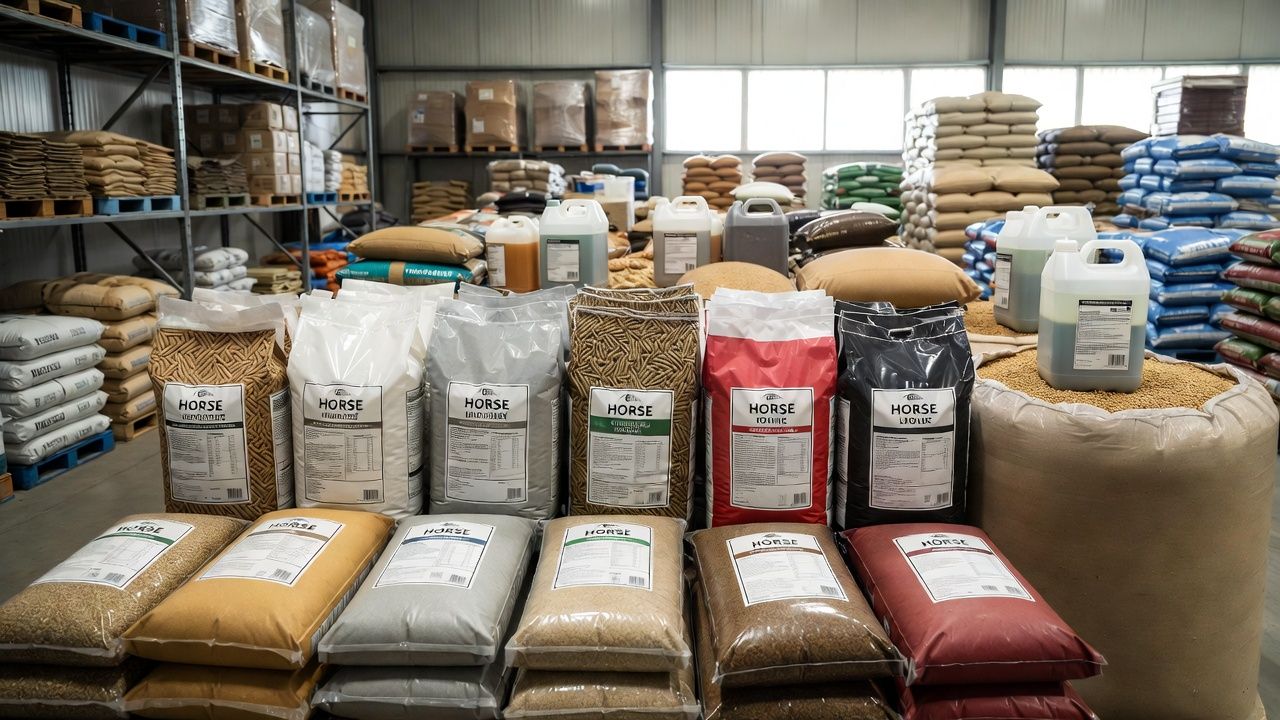
Equine operations depend heavily on uninterrupted access to nutritionally balanced feed to maintain horse health and performance. Horse feed wholesalers serve as a critical link between manufacturers and large scale buyers by ensuring dependable supply across regions and seasons. Their role goes beyond distribution and directly affects feeding consistency, cost control, and operational planning. Reliable wholesaling helps reduce uncertainty in daily nutrition programs.
The Growing Demand for Scalable Equine Feed Solutions
As boarding barns, breeding farms, and training facilities expand, feed sourcing becomes more complex. Managing nutrition for multiple horses requires steady access to the same formulations over time. Wholesalers help meet this demand by maintaining inventory levels that support large volume consumption. Their ability to scale supply allows equine operations to grow without compromising feed quality.
Why Consistency Matters in Horse Nutrition
Horses are sensitive to dietary changes, especially when it comes to forage and concentrate balance. Frequent feed substitutions can disrupt digestion and affect performance. Wholesalers help stabilize feeding programs by ensuring consistent availability of specific feed lines. This consistency supports digestive health and predictable body condition.
Inventory Management and Supply Planning
One of the primary advantages of working with wholesalers is predictable inventory access. Bulk planning allows barns to forecast usage and reduce last minute purchasing. This planning minimizes the risk of shortages during high demand periods. Efficient inventory control also reduces waste and spoilage.
The Relationship Between Wholesalers and Animal Feed Producers
Behind dependable wholesale supply networks are established animal feed wholesalers who work closely with manufacturing partners. These relationships ensure that quality standards, ingredient specifications, and production schedules align with market demand. Collaboration between wholesalers and producers helps maintain product integrity across large volumes. This structure strengthens the overall feed supply chain.
Quality Assurance Across Large Volumes
Feed quality must remain consistent regardless of order size. Wholesalers support this by sourcing from manufacturers with strong quality control systems. Batch tracking, formulation accuracy, and ingredient testing contribute to predictable nutritional outcomes. Horses benefit when feed quality does not fluctuate between deliveries.
Supporting Diverse Equine Operations
Horse feed wholesalers serve a wide range of clients, including performance barns, recreational facilities, rescues, and breeding operations. Each has unique feeding requirements based on age, workload, and management style. Wholesalers offer access to product ranges that support different nutritional strategies. This flexibility allows operations to adapt while maintaining consistency.
Seasonal Demand and Supply Stability
Seasonal fluctuations can strain feed availability, particularly during peak training or breeding periods. Wholesalers anticipate these changes and plan inventory accordingly. Their forward planning helps prevent shortages during critical times. A stable supply protects feeding routines from seasonal disruptions.
Logistics and Distribution Efficiency
Efficient transportation and warehousing play a major role in feed quality and availability. Proper handling during storage and delivery helps preserve freshness and nutrient content. Wholesalers invest in logistics systems that reduce delays and product damage. Timely delivery supports uninterrupted feeding schedules.
Cost Control and Budget Predictability
Wholesale sourcing often allows operations to manage feed costs more effectively. Predictable pricing and volume purchasing support long term budgeting. Reduced emergency purchases help stabilize expenses. Financial predictability allows managers to focus on care and performance rather than sourcing challenges.
Transparency and Information Access
Clear labeling and nutritional documentation help buyers make informed decisions. Wholesalers provide access to product data that supports proper feeding practices. Transparency builds trust between suppliers and equine professionals. Informed decisions lead to better nutrition outcomes.
Long-Term Benefits for Horse Health
Stable nutrition supports consistent energy levels, digestive comfort, and overall wellness. Reduced feed variability lowers stress for horses and caretakers alike. Over time, these benefits contribute to improved condition and performance. Wholesalers play a foundational role in enabling these outcomes.
Conclusion: Strengthening Equine Nutrition Through Wholesale Supply
Horse feed wholesalers contribute significantly to the reliability and stability of equine nutrition systems. Their ability to manage supply, support consistency, and collaborate with manufacturers strengthens feeding programs at scale. As equine operations continue to evolve, dependable wholesale partnerships will remain essential. Sustainable horse care begins with secure access to quality feed.