
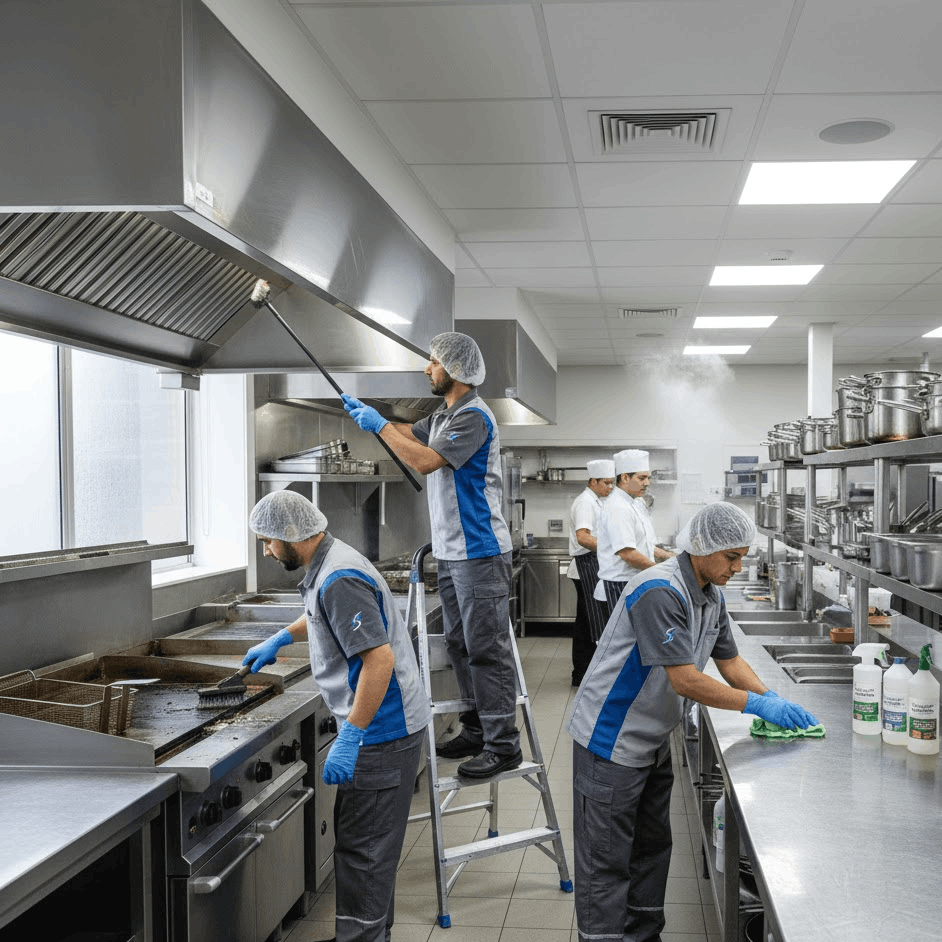
Melbourne’s restaurant scene is one of the most diverse and competitive in Australia. From laneway cafés and food trucks to fine-dining venues and busy takeaway kitchens, food establishments across the city operate under constant pressure to meet hygiene expectations. In this environment, restaurant cleaning services across Melbourne play a critical role in supporting food safety, regulatory compliance, and customer trust.
Cleanliness in food service is not simply about appearance. It directly affects public health, operational efficiency, and a venue’s reputation. Understanding what professional restaurant cleaning involves and why it matters helps operators maintain safe and functional kitchens in a demanding industry.
The Importance of Professional Cleaning in Melbourne Restaurants
Restaurants operate in high-risk environments where food handling, heat, moisture, and constant human contact intersect. Without structured cleaning routines, grease, bacteria, and waste accumulate quickly.
Professional restaurant cleaning supports:
Food safety and hygiene standards
Compliance with local health regulations
Safe working environments for staff
Positive customer perception
For venues across Melbourne, where competition is high and inspections are frequent, maintaining consistent cleanliness is essential rather than optional.
Melbourne’s Regulatory and Hygiene Landscape
Food businesses in Melbourne are governed by strict hygiene regulations enforced by local councils and environmental health officers. These standards cover:
Kitchen cleanliness and sanitation
Waste management and grease control
Pest prevention
Food contact surface hygiene
Failure to meet these requirements can result in warnings, fines, or temporary closures. Regular and thorough cleaning is one of the most effective ways to reduce compliance risks.
Common Cleaning Challenges in Restaurant Environments
Grease and Oil Buildup
Commercial kitchens generate grease rapidly, especially around cooking equipment, exhaust systems, and floors. If not removed properly, grease becomes a fire hazard and attracts pests.
High-Traffic Floors
Restaurant floors endure constant foot traffic, spills, and food debris. Slippery or dirty floors increase the risk of workplace injuries.
Food Waste and Odours
Improperly cleaned waste areas lead to unpleasant odours and hygiene concerns that can affect both staff and customers.
Moisture and Mould
Dishwashing areas, cool rooms, and storage spaces often experience high humidity, creating ideal conditions for mould growth.
Professional restaurant cleaning addresses these challenges systematically rather than reactively.
What Restaurant Cleaning Services Typically Include
While scope varies by venue size and cuisine, restaurant cleaning services across Melbourne often cover:
Kitchen Cleaning
Degreasing cooking equipment and surfaces
Cleaning splashbacks, benches, and sinks
Sanitising food preparation areas
Floor scrubbing and drainage cleaning
Front-of-House Cleaning
Dining area floor cleaning
Table, chair, and surface sanitation
Cleaning of restrooms and entry areas
Exhaust and Ventilation Areas
Range hood and filter cleaning
Removal of grease buildup in ventilation systems
Waste and Storage Areas
Bin sanitation
Storage room cleaning
Odour control measures
These tasks are essential to maintaining safe and functional restaurant operations.
Why Routine Cleaning Isn’t Enough
Daily cleaning by staff is necessary, but it often focuses on visible areas and immediate needs. Over time, hidden buildup develops in less accessible areas such as behind equipment, under benches, and inside vents.
Professional restaurant cleaning complements daily routines by:
Targeting hard-to-reach areas
Using appropriate degreasing methods
Providing consistent results
Reducing long-term maintenance issues
This layered approach ensures hygiene standards are maintained across all areas of the venue.
Health and Safety Benefits
Clean restaurant environments reduce health risks for both staff and customers.
Reduced Cross-Contamination
Thorough sanitation of food contact surfaces helps prevent bacterial transfer.
Improved Workplace Safety
Clean floors and equipment reduce slip hazards and operational accidents.
Better Air Quality
Removing grease and grime from ventilation systems improves airflow and reduces odours.
Cleaning Considerations for Different Restaurant Types
Cafés and Coffee Shops
Focus on counters, display areas, milk stations, and high-touch surfaces.
Fast-Food and Takeaway Venues
High turnover requires frequent floor cleaning, waste management, and grease control.
Fine Dining Restaurants
Attention to detail is critical in both kitchen and dining spaces to maintain brand perception.
Commercial Kitchens and Ghost Kitchens
Shared spaces require strict hygiene protocols to prevent cross-contamination between operators.
The diversity of Melbourne’s food industry means cleaning requirements vary significantly by venue type.
Environmental and Sustainability Considerations
Many Melbourne restaurants are increasingly conscious of sustainability. Cleaning practices now often consider:
Responsible chemical use
Waste reduction
Water efficiency
Balancing hygiene requirements with environmental responsibility is an evolving priority across the hospitality sector.
Frequency of Restaurant Cleaning
Cleaning schedules depend on venue size, cuisine type, and operating hours. Common approaches include:
Daily cleaning for kitchens and food prep areas
Weekly deep cleaning of equipment and floors
Monthly or quarterly detailed cleaning of vents and storage areas
Consistency is essential to prevent buildup and maintain compliance.
Long-Term Value of Professional Restaurant Cleaning
Beyond compliance, regular professional cleaning delivers long-term benefits:
Extended lifespan of kitchen equipment
Reduced repair and replacement costs
Fewer pest-related issues
Stronger customer trust and brand reputation
In Melbourne’s competitive restaurant market, cleanliness directly supports business sustainability.
Choosing the Right Restaurant Cleaning Approach
Effective restaurant cleaning requires:
Clear cleaning schedules
Defined hygiene priorities
Trained personnel
Regular review and adjustment
A structured approach ensures that cleaning supports operations rather than disrupting them.
Conclusion
Restaurant cleaning services across Melbourne are a foundational part of food safety, compliance, and operational success. In a city known for its vibrant dining culture, maintaining clean kitchens and dining spaces protects public health and reinforces customer confidence.
From managing grease and waste to supporting regulatory compliance and staff safety, professional restaurant cleaning plays a vital role behind the scenes. For Melbourne’s restaurants, cleanliness isn’t just about presentation — it’s about responsibility, sustainability, and long-term success.